TorZon Infrastructure Analysis
A comprehensive review of the TorZon Darknet Link ecosystem, exploring its historical development, security protocols, and operational framework within the Tor network.
Executive Summary
TorZon Darknet Link represents a modern iteration of hidden service marketplaces operating on the Tor network. Emerging as a response to the vacuum left by the closure of previous major platforms, TorZon was architected with a focus on operational security (OpSec) and user interface modernization.
Unlike early generation markets that relied on simple escrow systems, TorZon implements a multi-signature framework designed to minimize the risk of centralized fund seizure. The platform is built solely for the Tor network, utilizing V3 Onion services to ensure end-to-end encryption and anonymity for all participants.
From a research perspective, the platform is notable for its strict enforcement of PGP encryption for communications and its integration of Monero (XMR) as a primary settlement layer, reflecting a broader industry shift towards privacy-centric cryptocurrencies.
Platform Metrics
"The shift toward wallet-less payment structures in TorZon reduces the attack surface for custodial theft, a common vulnerability in previous market iterations."
— 2024 Cybersecurity Report
Technical Architecture
Cryptographic Security
TorZon mandates the use of PGP (Pretty Good Privacy) for two-factor authentication (2FA) and communication encryption. The platform utilizes 4096-bit RSA keys for server signing, allowing users to verify that the .onion mirror they are accessing is authentic and not a phishing proxy.
- Forced PGP 2FA on Login
- Auto-Encrypt Messages
- Signed Mirrors
Payment Routing
To mitigate blockchain analysis techniques, TorZon heavily prioritizes Monero (XMR). The architecture supports both custodial wallets and "Direct Pay" systems. The Direct Pay system generates a unique sub-address for every order, preventing the linkage of multiple transactions to a single user identity.
- Sub-address Generation
- Ring Signature Privacy
- Escrow Timeout Logic
Interface Design Patterns
The user interface (UI) of TorZon follows a utilitarian design philosophy common to darknet services, prioritizing speed and low bandwidth usage over aesthetic complexity. The following visual references analyze the key components of the user journey.
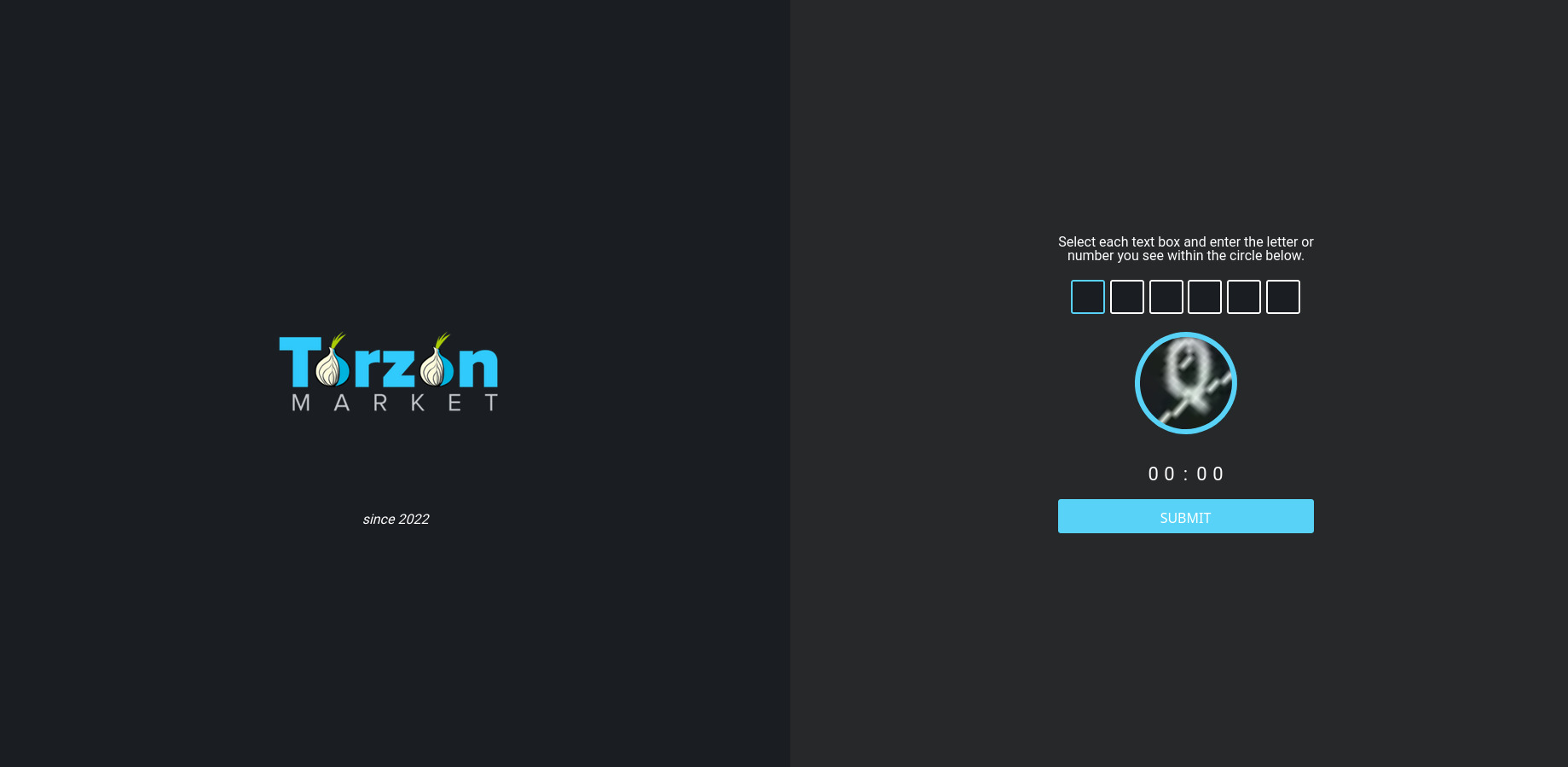
Anti-DDoS Gateway
Queue-based prioritization system.
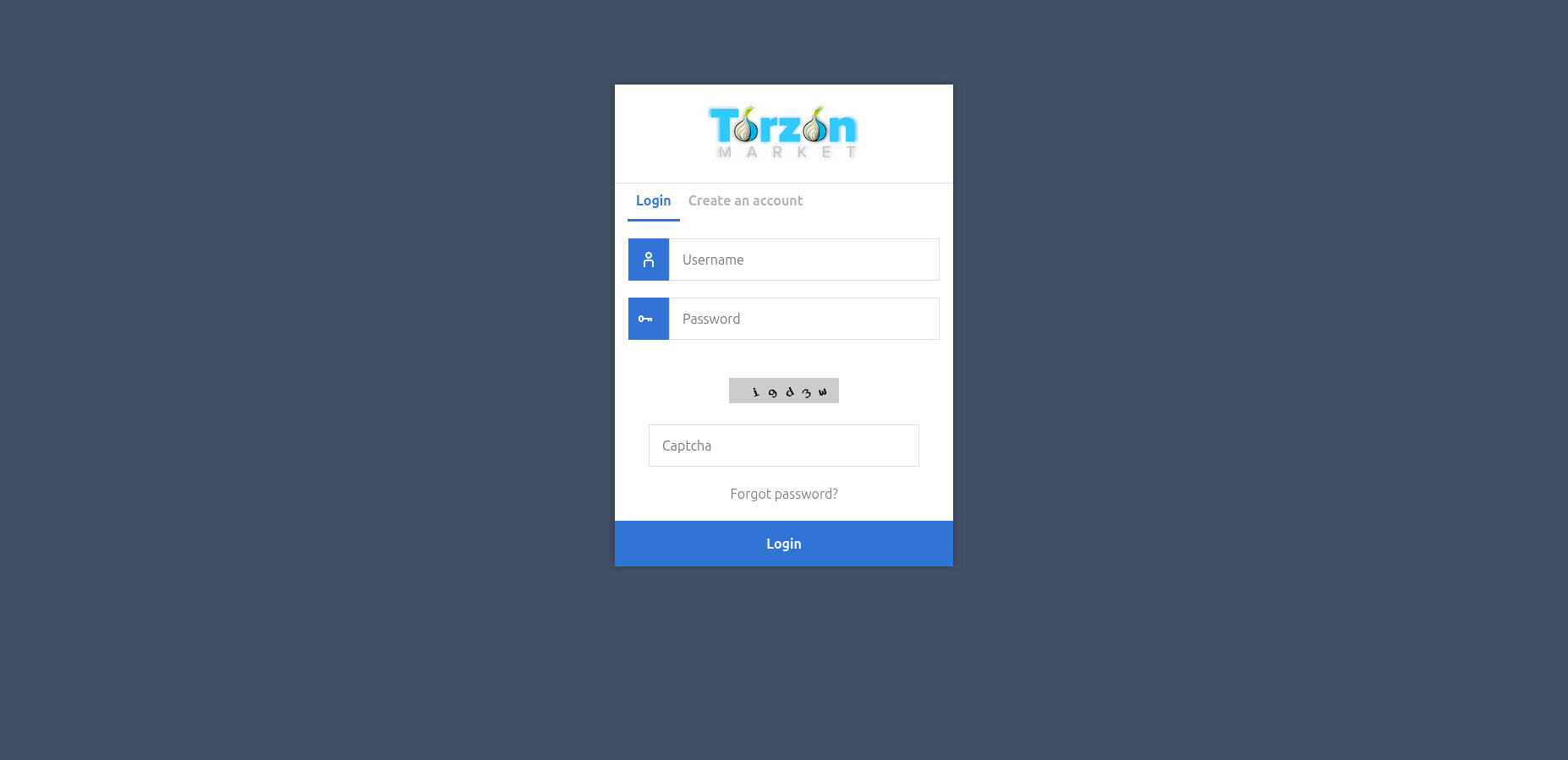
Authentication
Minimalist login with captcha.
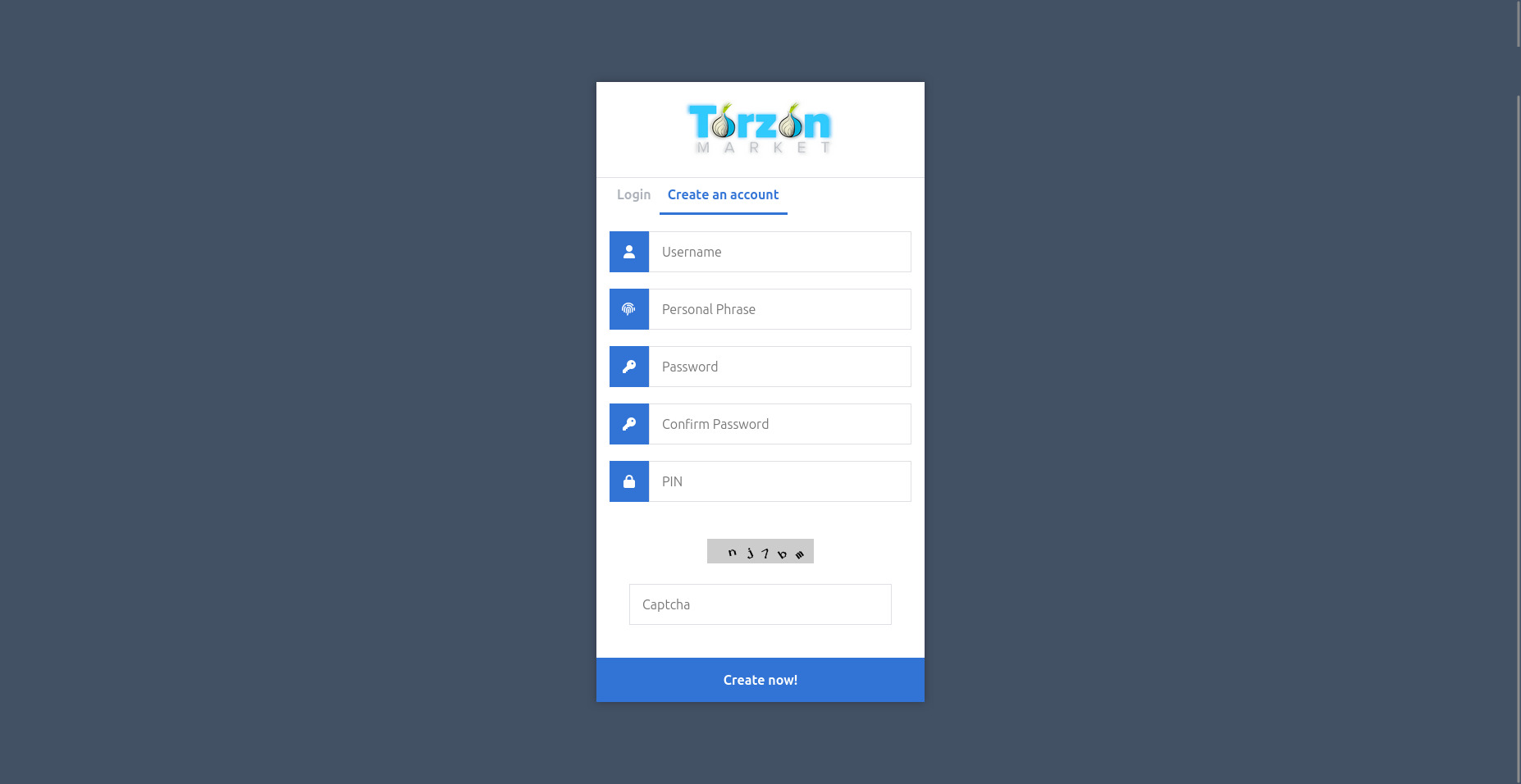
Key Submission
PGP Public Key requirement field.
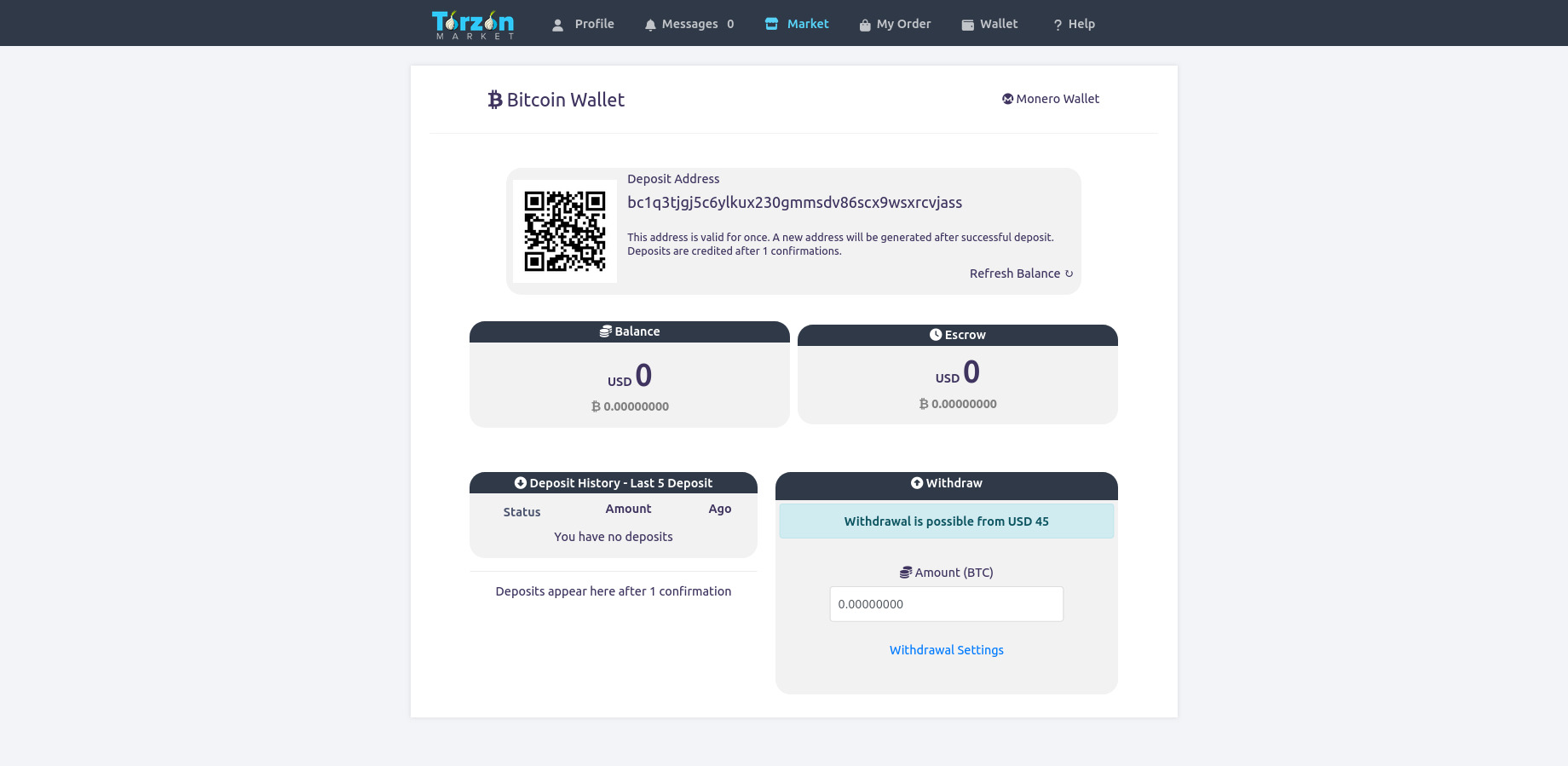
User Dashboard
Order management and wallet status.
Development Timeline
Initial Infrastructure Deployment
TorZon beta mirrors were first detected by network crawlers. The initial phase focused on stress-testing the anti-DDoS capabilities, known as the "Endgame" filter, to prevent the latency issues that plagued competitors.
Monero Integration Update
The platform deprecated Bitcoin-only transactions and introduced full Monero (XMR) support, enabling ring confidential transactions (RingCT) for enhanced privacy on the settlement layer.
Mirror Rotator Implementation
To combat domain seizure and phishing, TorZon implemented a signed mirror rotation system. This allows the main server to cryptographically sign a list of valid mirrors, which users can verify using the administrator's public PGP key.